Discover the true PSHE meaning and why it matters in UK schools. Learn how Personal, Social, Health, and Economic education helps pupils build wellbeing, life skills, mental health awareness, and financial literacy across England, the UK, and British schools.
What Is PSHE Education? A Clear and Simple Explanation
PSHE education stands for Personal, Social, Health and Economic education, a subject taught in UK schools, especially in England, to help children develop essential life skills. It focuses on supporting students’ mental health, well-being, relationships, and financial awareness, alongside academic learning.
Through PSHE, pupils learn how to manage emotions, build healthy relationships, stay safe, and make responsible decisions. This education plays a vital role in preparing children for real-life challenges, making it a key part of the modern school curriculum in the UK.
What Does PSHE Stand For in the UK Education System?
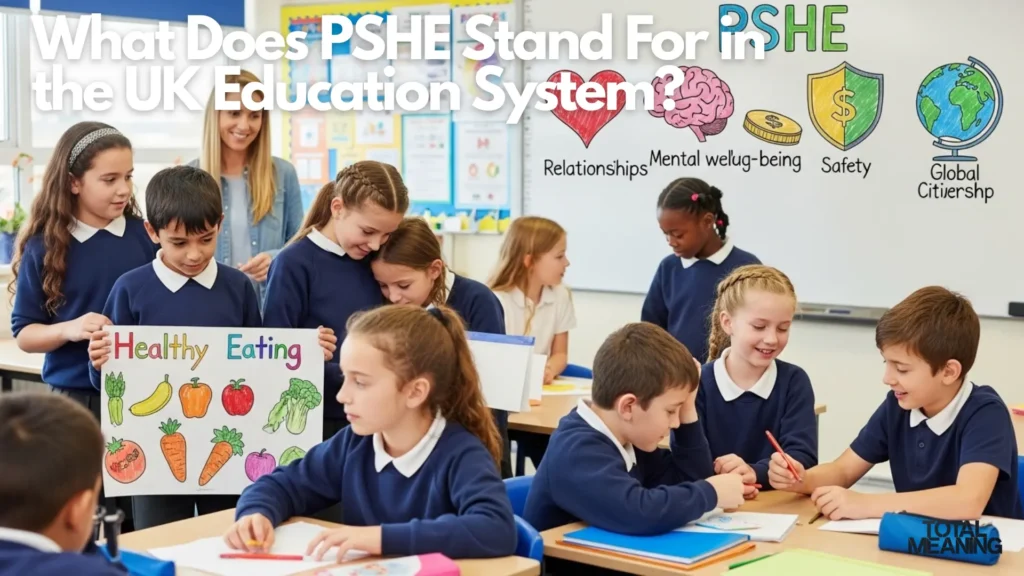
PSHE stands for Personal, Social, Health and Economic education, a key part of the UK education system, particularly in England. It is designed to support pupils’ personal development, well-being, and life readiness alongside core academic subjects. In UK schools, PSHE helps students build knowledge around health, relationships, emotions, money management, and citizenship. This subject ensures children gain the practical skills and confidence needed to navigate everyday life and future responsibilities.
PSHE (Personal, Social, Health and Economic Education): Definition and Meaning
PSHE, or Personal, Social, Health and Economic Education, is a subject in the UK school curriculum that focuses on students’ wellbeing, personal development, and life skills. It helps children and young people understand how to stay healthy, safe, and socially responsible.
Through PSHE education in England, pupils learn about mental health, relationships, physical health, online safety, and financial literacy. The goal is to prepare students for real-life situations, supporting their growth both inside and outside the classroom.
What Is PSHE in Schools and Why Is It Important?
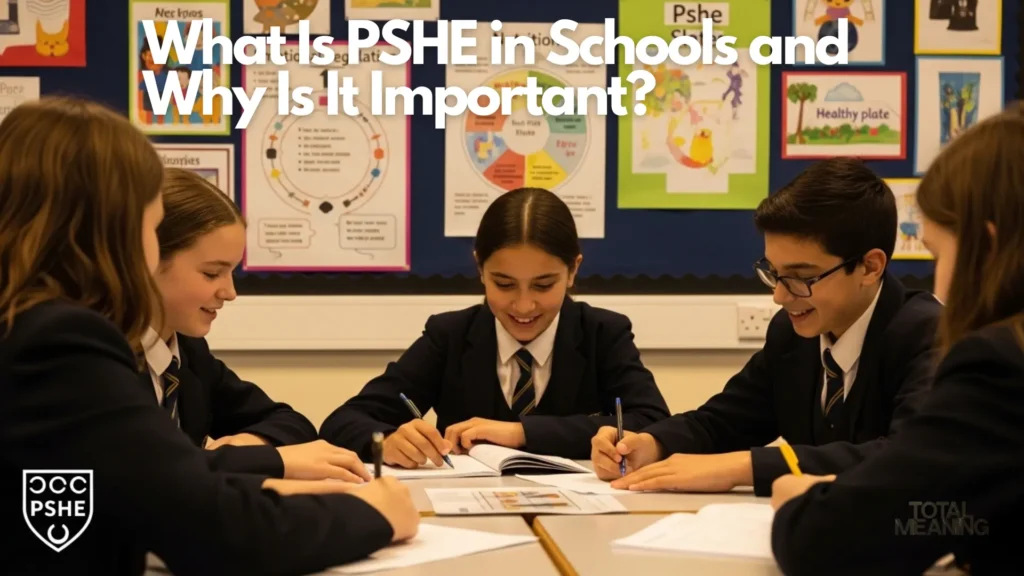
PSHE in schools refers to Personal, Social, Health and Economic education taught across primary and secondary schools in England and the UK. It supports pupils in developing emotional well-being, social skills, and responsible decision-making, alongside academic learning.
PSHE is important because it helps children learn how to build healthy relationships, manage mental health, stay safe online, and understand money matters. By addressing real-life issues, PSHE education prepares students to become confident, informed, and resilient individuals.
Is PSHE a Statutory Subject in England?
In England, PSHE education itself is not fully statutory, but key elements of it are legally required in schools. Since 2020, Relationships Education in primary schools and Relationships and Sex Education (RSE) in secondary schools have been mandatory, forming a core part of PSHE.
While schools are expected to teach PSHE following Department for Education (DfE) guidance, academies and free schools have some flexibility in how it is delivered. However, PSHE remains strongly recommended to support pupil wellbeing, safeguarding, and personal development.
Statutory Requirements for PSHE Education in Schools
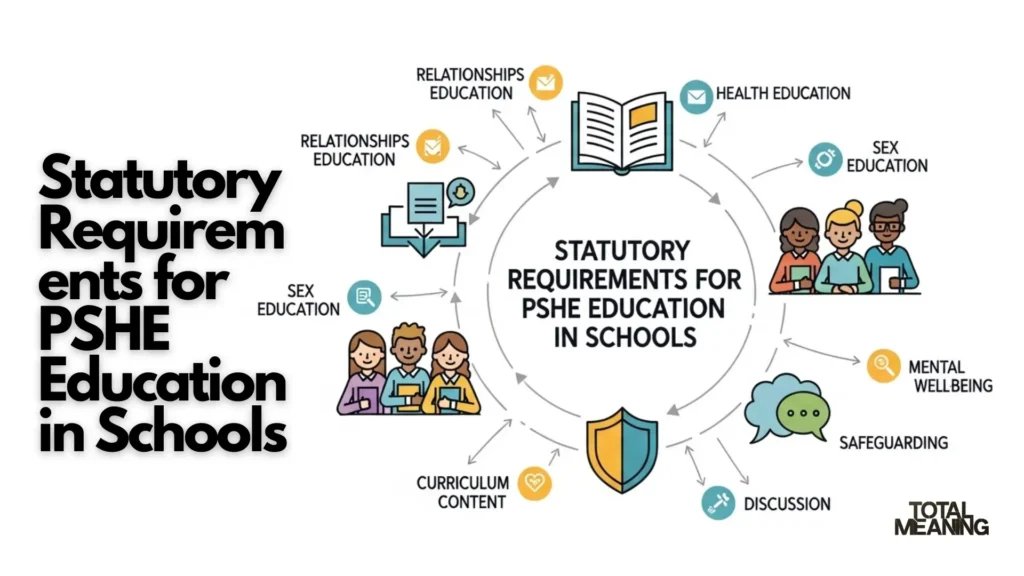
In England, the statutory requirements linked to PSHE focus mainly on Relationships Education, Relationships and Sex Education (RSE), and Health Education, which are compulsory in all state-funded schools. These requirements are set by the Department for Education (DfE) to ensure consistent teaching of wellbeing and safeguarding topics.
Schools must follow government guidance while adapting lessons to suit their pupils’ needs and age groups. Although wider PSHE is not fully statutory, schools are expected to provide a planned PSHE curriculum that supports mental health, online safety, and personal development.
How Is PSHE Taught? An Overview of the PSHE Curriculum
PSHE is taught through structured lessons, discussions, activities, and real-life scenarios across primary and secondary schools in England. Schools follow national guidance while adapting the PSHE curriculum to suit pupils’ ages, needs, and local communities.
Lessons often cover topics such as mental health, relationships, physical wellbeing, online safety, and financial education. PSHE teaching encourages open discussion, critical thinking, and practical skills, helping students apply what they learn beyond the classroom.
PSHE Curriculum in Primary Schools: What Children Learn
In primary schools across England and the UK, the PSHE curriculum helps children develop emotional awareness, confidence, and positive behaviour from an early age. Lessons are age-appropriate and focus on building strong foundations for well-being and personal growth.
Children learn about friendships, feelings, healthy lifestyles, personal safety, and basic money skills. Through PSHE education, pupils gain the knowledge and skills needed to make safe choices and build respectful relationships inside and outside school.
PSHE Education in England: Current Guidelines and Framework
PSHE education in England is guided by the Department for Education (DfE) and supported by frameworks from the PSHE Association. These guidelines help schools deliver consistent lessons on health, relationships, wellbeing, and economic education.
While wider PSHE is not fully statutory, schools are expected to follow national guidance for Relationships Education, Relationships and Sex Education (RSE), and Health Education. This framework ensures pupils receive age-appropriate, inclusive, and safeguarding-focused education across the curriculum.
The Role of PSHE in Supporting Children’s Wellbeing and Life Skills
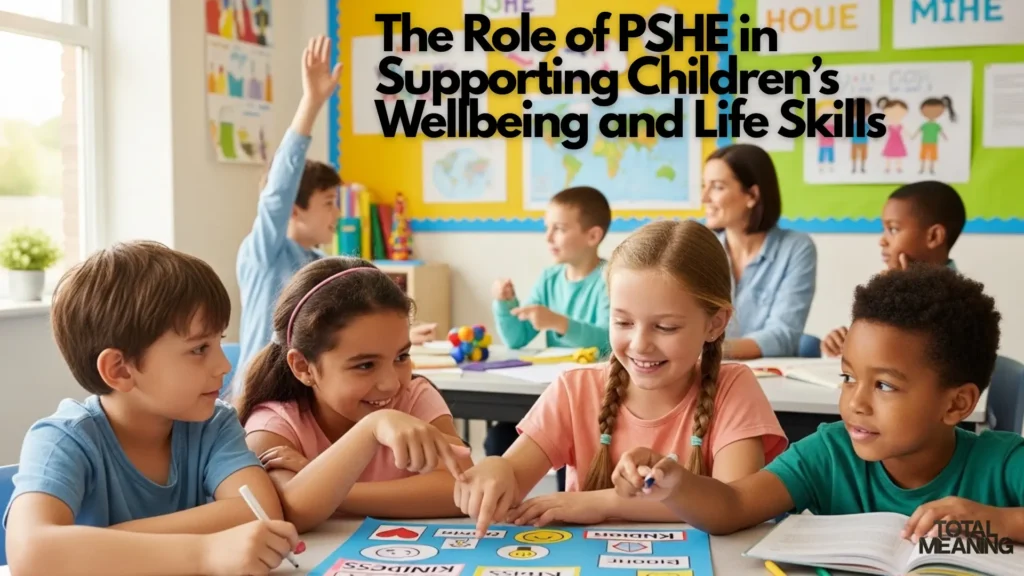
PSHE education plays a vital role in helping children develop emotional resilience, social skills, and personal well-being in schools across England, the UK, and other English-speaking regions. It equips pupils with the tools to manage feelings, build relationships, and make responsible decisions.
Through lessons on mental health, physical wellbeing, relationships, online safety, and financial literacy, PSHE prepares children for real-life challenges. This education fosters confidence, independence, and practical life skills, ensuring students are ready for adulthood both socially and emotionally.
Frequently Asked Questions
What does PSHE mean in schools?
PSHE stands for Personal, Social, Health and Economic education, a subject that teaches pupils life skills, wellbeing, and personal development.
Why is PSHE important for students?
It helps children develop emotional resilience, social skills, and practical knowledge for everyday life.
What topics are covered in PSHE lessons?
PSHE lessons include mental health, relationships, personal safety, financial literacy, and wellbeing education.
Is PSHE mandatory in the UK?
Some elements, like Relationships Education, RSE, and Health Education, are statutory in England, while broader PSHE is strongly recommended.
How does PSHE support life skills?
It teaches pupils how to manage emotions, build relationships, make safe choices, and handle money responsibly.
At what age do children start learning PSHE?
PSHE is taught from primary school through secondary school, with age-appropriate lessons on wellbeing and personal development.
Who provides guidance for PSHE in the UK?
The Department for Education (DfE) and the PSHE Association provide frameworks and guidance for schools to deliver PSHE effectively.
Final Thoughts on PSHE Meaning:
In short, PSHE, meaning Personal, Social, Health and Economic education, focuses on helping pupils in UK schools develop essential life skills, emotional wellbeing, and social responsibility. By covering topics like mental health, relationships, personal safety, and financial literacy, PSHE prepares students to navigate real-life challenges confidently.

Alisa Shah is a passionate content writer who creates clear, engaging, and SEO-friendly content.She specializes in explaining meanings and informative topics in a simple, reader-focused style.