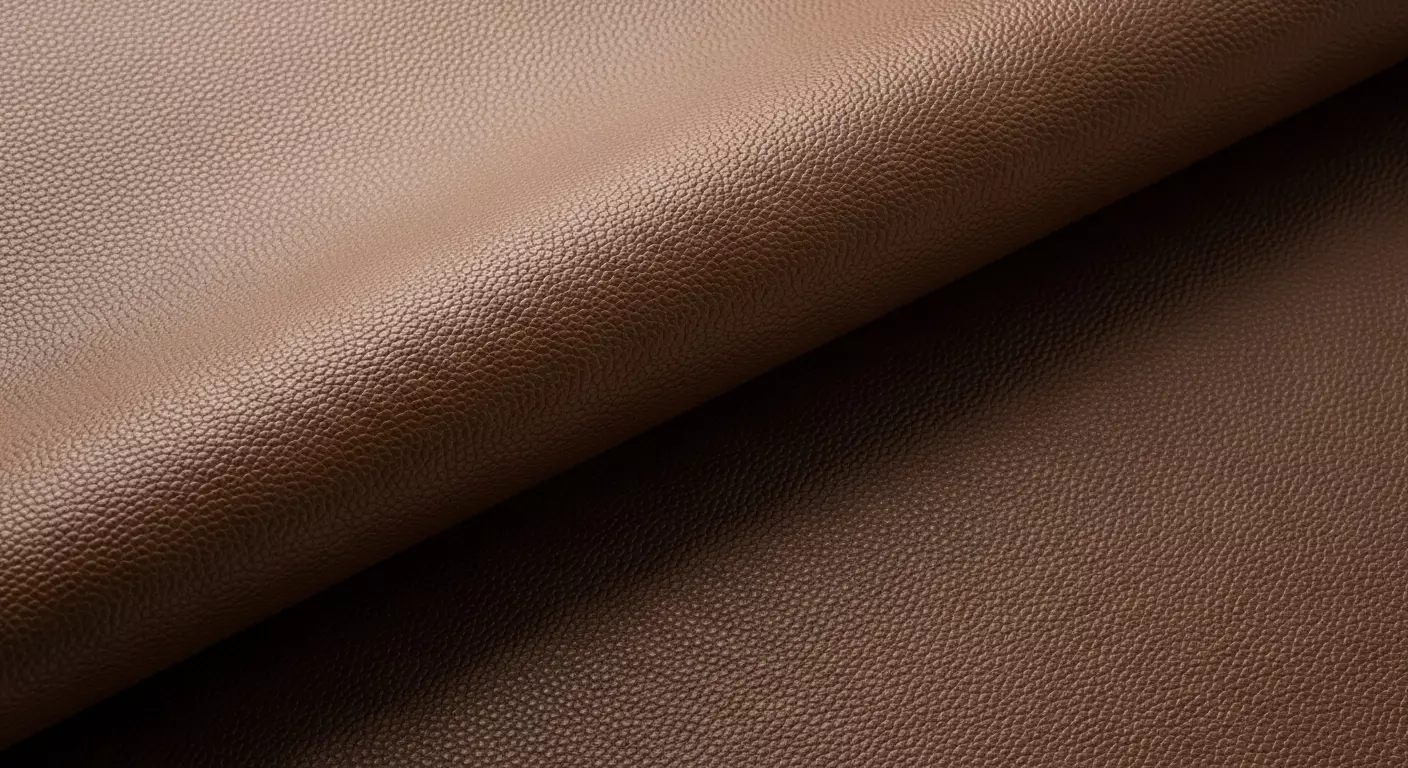
Discover the true PU leather meaning—a synthetic, vegan-friendly alternative to real leather. Learn about polyurethane leather, its uses in bags, shoes, furniture, and car interiors, and why it’s popular in the USA, UK, UAE, and Pakistan.
PU Leather Meaning: A Simple Introduction
PU leather, or polyurethane leather, is a man-made material designed to look and feel like real leather. Popular in markets like the USA, UK, UAE, and Pakistan, it’s commonly used in bags, shoes, furniture, and car interiors as an affordable and vegan-friendly leather alternative.
What Is PU Leather? An Easy-to-Understand Explanation

PU leather, also known as polyurethane leather, is a synthetic leather material created by coating a fabric base with polyurethane to replicate the appearance and texture of genuine leather. It is widely used in bags, shoes, furniture, and car interiors, particularly in markets such as the USA, UK, UAE, and Pakistan, due to its affordability. While PU leather is often marketed as vegan leather or faux leather, it does not offer the same durability, breathability, or aging quality as genuine leather.
The Real Meaning of PU Leather: What Manufacturers Don’t Always Say
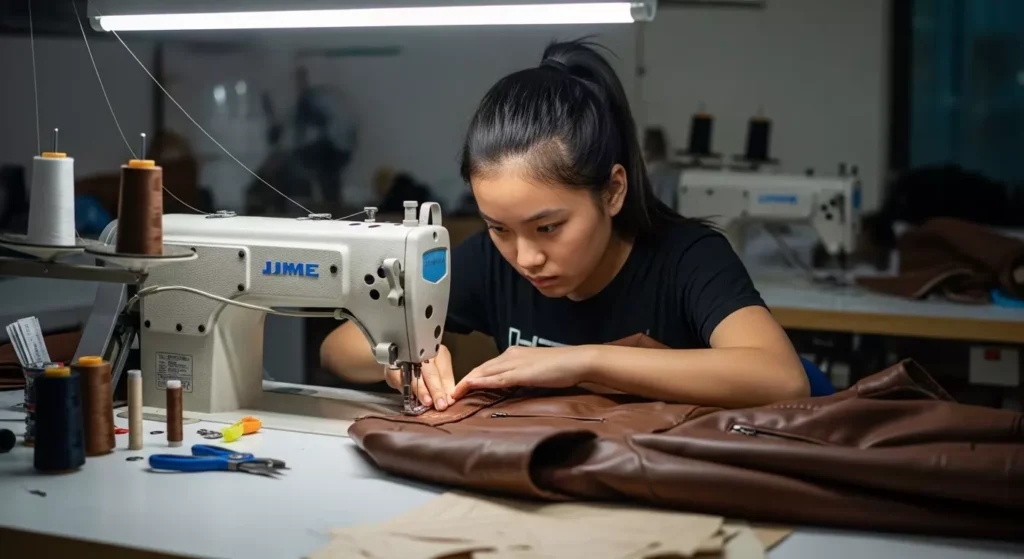
PU leather is essentially a plastic-based material made by applying a polyurethane coating over polyester or cotton fabric, not real animal hide. Many manufacturers promote it as premium faux leather or vegan leather, but often avoid clearly stating that it is less breathable and less durable than genuine leather.
What is rarely mentioned is that PU leather can crack, peel, or fade over time, especially in hot climates like the Middle East and South Asia. While it is cheaper and visually appealing at first, its shorter lifespan and environmental impact are important factors buyers should know.
PU Leather vs Genuine Leather: Key Differences You Should Know
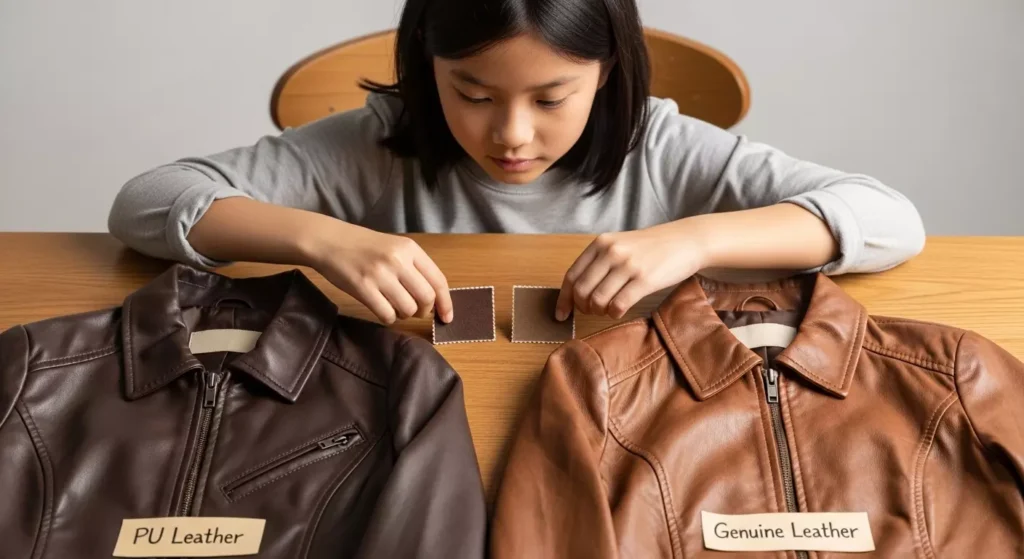
PU leather is a synthetic leather alternative made from polyurethane, while genuine leather comes from real animal hides and improves with age.
In high-demand markets like the USA, UK, and UAE, PU leather is chosen for its low cost, whereas genuine leather is valued for durability, breathability, and premium feel.
| Feature | PU Leather (Synthetic Leather) | Genuine Leather (Real Leather) |
| Material | Made from plastic (polyurethane) | Made from real animal hide |
| Look & Feel | Smooth and uniform | Natural texture, unique grain |
| Durability | Less durable, may crack/peel | Very durable, lasts for years |
| Breathability | Not breathable | Breathable and comfortable |
| Maintenance | Easy to clean, low maintenance | Needs regular care & conditioning |
| Water Resistance | More water-resistant | Can absorb water if untreated |
| Aging | Doesn’t age well, wears out | Ages beautifully with patina |
| Price | Cheaper and budget-friendly | More expensive |
| Eco Impact | Plastic-based, less eco-friendly | Natural but involves animal use |
| Best For | Fashion items, budget products | Luxury items, long-term use |
Is PU Leather Better Than Faux Leather? Understanding the Distinction
PU leather is actually a type of faux leather, but it is considered more refined than older synthetic options like PVC leather. In popular markets such as the USA, UK, and Canada, PU leather is preferred because it feels softer, lighter, and more flexible compared to traditional faux leather.
However, being “better” depends on usage. While PU leather looks more realistic and is easier to maintain, it still lacks the breathability and longevity of genuine leather. For budget-friendly fashion items and furniture, PU leather is often the preferred faux leather alternative, but it remains a short-term solution.
Advantages of PU Leather: Why It’s So Widely Used
PU leather is popular because it is cost-effective, making it an ideal choice for bags, shoes, sofas, and car seats in high-demand markets like the USA, UK, UAE, and Pakistan. It offers a clean, uniform appearance that appeals to mass production and modern design trends.
Another key advantage is easy maintenance—PU leather is water-resistant, stain-resistant, and simple to clean, unlike genuine leather. It is also widely marketed as vegan leather, attracting eco-conscious and cruelty-free buyers looking for an affordable leather alternative.
Disadvantages of PU Leather: Durability, Quality, and Environmental Concerns
One major drawback of PU leather is its limited durability compared to genuine leather. Over time, especially in hot and humid regions like South Asia and the Middle East, PU leather tends to crack, peel, and fade, reducing its overall lifespan.
From an environmental perspective, PU leather is a plastic-based material that is not biodegradable and can release harmful chemicals during production. Although it is often labeled as eco-friendly or vegan leather, its environmental impact and lower quality make it a less sustainable long-term choice.
Is PU Leather Vegan and Eco-Friendly? The Truth Explained
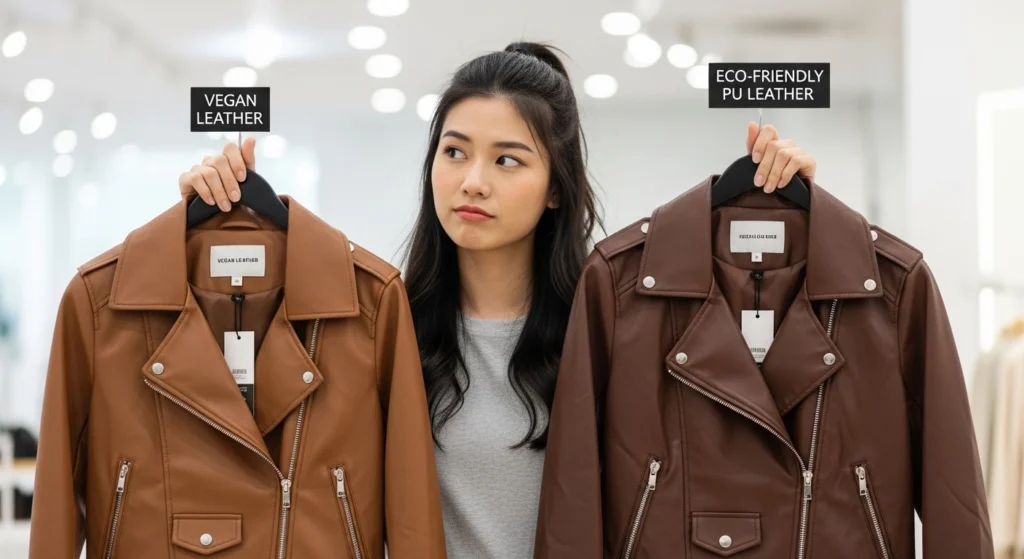
PU leather is considered vegan leather because it contains no animal hide, making it popular among cruelty-free fashion buyers in markets like the USA, UK, and Europe. This is why many brands label it as an ethical alternative to real leather.
However, eco-friendliness is a different story. PU leather is made from polyurethane, a petroleum-based plastic, which is not biodegradable and can contribute to pollution. While it avoids animal harm, its environmental footprint means it is not truly sustainable.
How to Clean and Maintain PU Leather Properly
To clean PU leather, gently wipe the surface with a soft, damp cloth and mild soap, avoiding harsh chemicals that can damage the polyurethane coating. This simple method is widely recommended for PU leather bags, sofas, and car seats in everyday use.
For long-term care, keep PU leather away from direct sunlight and heat, as this can cause cracking and peeling over time. Regular light cleaning and proper storage help maintain its appearance and lifespan, especially in hot climates.
Common Myths About PU Leather—Debunked
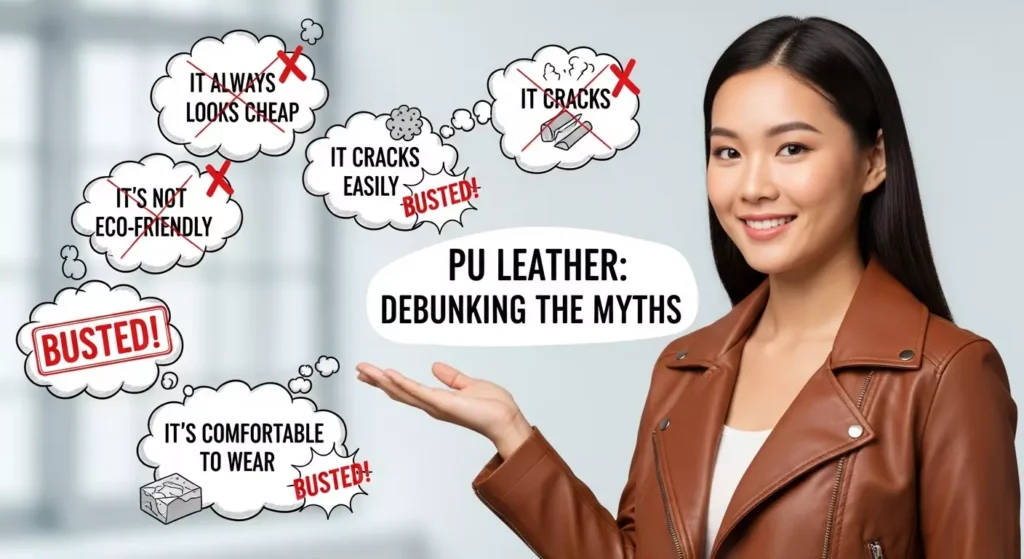
Many people believe PU leather is just as durable as genuine leather, but in reality, it can crack and peel after a few years, especially in hot or humid regions like the Middle East and South Asia. Understanding this helps buyers make informed choices.
Another myth is that PU leather is completely eco-friendly. While it is vegan and animal-free, it is made from polyurethane, a plastic-based material, which is not biodegradable and has a significant environmental footprint.
Frequently Asked Questions
What does PU leather mean?
PU leather means polyurethane leather, a synthetic material designed to look and feel like real leather.
Is PU leather real leather?
No, PU leather is man-made and does not come from animal hides.
How is PU leather different from genuine leather?
PU leather is cheaper, easier to clean, but less durable than real leather.
What is PU leather used for?
It’s used in bags, shoes, furniture, car seats, and jackets worldwide.
Is PU leather vegan and cruelty-free?
Yes, PU leather is vegan-friendly because it contains no animal products.
Does PU leather last long?
PU leather can last a few years, but it may peel or crack over time, especially in hot climates.
How to identify PU leather?
PU leather usually has a smooth, uniform surface and feels softer than real leather, but lacks natural grain patterns.
Conclusion
In short, PU leather (polyurethane leather) is a synthetic, vegan-friendly alternative to real leather, widely used in bags, shoes, furniture, and car interiors across markets like the USA, UK, UAE, and Pakistan. While it offers affordability and easy maintenance, it cannot fully match the durability and premium feel of genuine leather.

Alisa Shah is a passionate content writer who creates clear, engaging, and SEO-friendly content.She specializes in explaining meanings and informative topics in a simple, reader-focused style.